
The Ultimate Guide to Chapter 11 Bankruptcy and Subchapter V in New Jersey: A Business Owner’s Blueprint
When business owners search online to understand corporate restructuring, they frequently land on the federal judiciary's official guide, Chapter 11 – Bankruptcy Basics. While authoritative, official court resources are often bogged down in dense legal jargon that can leave entrepreneurs feeling more overwhelmed than informed.
At Scura, Wigfield, Heyer, Cammarota & Gonzalez, LLP, our seasoned bankruptcy attorneys believe that understanding your financial options should be transparent and accessible. Whether your enterprise is facing mounting merchant cash advances (MCAs), commercial lease defaults, or unexpected cash flow crunches, knowing how Chapter 11 works can save your business from liquidation.
Here is a comprehensive, plain-English breakdown of Chapter 11 bankruptcy fundamentals, integrating official federal frameworks, practical insights, and specialized solutions like Subchapter V.
What is Chapter 11 Bankruptcy?
Chapter 11 is a federal legal mechanism codified under Title 11 of the United States Code. While it can occasionally be utilized by individuals, Chapter 11 is primarily designed for commercial enterprises, which include corporations, partnerships, LLCs, and sole proprietorships, that desire to continue operating their business while reorganizing and repaying their creditors over time through a court-approved plan.
Unlike Chapter 7 bankruptcy, which forces a company to shut its doors, liquidate its assets through a court-appointed trustee, and distribute the proceeds before closing permanently, Chapter 11 acts as a powerful financial reset button. The ultimate objective is for the business to emerge from bankruptcy with a sustainable capital structure, reduced debt liabilities, and renewed profitability. Chapter 11 also gives the business some breathing room to stop paying creditors, reset and propose a plan over time to pay its debts.

Initiating the Case – The Voluntary Petition and Required Disclosures
Every Chapter 11 proceeding officially begins with the filing of a voluntary petition with the federal bankruptcy court serving the judicial district where the business maintains its principal place of business or domicile.
A bankruptcy petition is a formal legal document. Along with the petition, federal rules mandate that the debtor must promptly file extensive financial disclosures with the court, which include:
- Schedules of assets and liabilities: A comprehensive inventory detailing what the company owns and what it owes.
- Schedules of current income and expenditures: A transparent snapshot of ongoing operational cash flow.
- Schedules of executory contracts and unexpired leases: A complete register of commercial real estate leases, vendor agreements, and equipment contracts.
- Statement of financial affairs: A detailed historical accounting of recent business transactions, payments, and financial history.
The Automatic Stay – Immediate Protection from Creditors
The moment a voluntary Chapter 11 petition is filed, an automatic stay goes into immediate legal effect.
This federal injunction serves as an absolute shield for the business. It halts pending lawsuits, commercial foreclosures, equipment repossessions, bank account levies, and aggressive collection tactics by creditors. For a struggling business, the automatic stay provides essential breathing room, stopping the bleeding and allowing management to stabilize operations without the constant threat of dismemberment by individual creditors.
Operating as a "Debtor in Possession" (DIP)
One of the most misunderstood aspects of Chapter 11 is management control. In most Chapter 11 cases, there is no outside trustee appointed to run the company. Instead, the business automatically assumes an additional legal identity known as the "Debtor in Possession" (DIP).
As a DIP, current management and owners retain control over daily business operations, retain the powers and duties of a bankruptcy trustee, and continue serving customers. However, this role carries strict fiduciary responsibilities to protect the bankruptcy estate and report regularly to the court and the U.S. Trustee. Monthly Operating Reports must be filed showing the cash flow and expenses of the business.

Restructuring Tools – Leases, Contracts, and Financing
Chapter 11 equips business owners with powerful legal tools to reshape their balance sheets and operational models:
- Rejecting Burdensome Leases and Contracts: Under Section 365 of the Bankruptcy Code, a Debtor in Possession can ask the court for permission to reject unexpired leases or executory contracts. This allows a retail or industrial business to walk away from above-market commercial leases that are draining cash flow.
- Securing Post-Petition Financing: To fund operations during restructuring, the business may be authorized to borrow new money or obtain credit lines, occasionally offering new lenders top priority on business earnings to secure those funds.
The Reorganization Plan, Disclosure Statements, and Creditor Voting
The centerpiece of any Chapter 11 case is the plan of reorganization. During an initial window known as the exclusivity period, the debtor has the sole right to propose a plan (giving the company 120 days from filing to propose a plan, and 180 days to gain confirmation, barring court modifications).
Along with the plan, the debtor must generally file a disclosure statement containing sufficient information regarding assets, liabilities, and business affairs to enable creditors to make an informed judgment about the plan. Creditors whose rights are affected are divided into classes and given ballots to vote on the plan. Once required votes are secured, the bankruptcy judge holds a confirmation hearing to formally approve the plan, binding all parties to its restructured terms.
Small Business Reorganization: The Power of Subchapter V
While traditional Chapter 11 is an effective tool for large corporations, its procedural hurdles, such as mandatory creditors' committees, complex disclosure statements, and intense adversarial litigation, can be cost-prohibitive for small to mid-sized businesses.
Recognizing this, Congress enacted Subchapter V of Chapter 11, significantly streamlining the reorganization process for small businesses. Key advantages include:
- No Mandatory Unsecured Creditors' Committee: Eliminating the requirement for an unsecured creditors' committee drastically cuts down legal expenses and adversarial friction.
- Elimination of the Disclosure Statement: Subchapter V removes the need for a separate, highly technical disclosure statement, allowing debtors to move straight to a streamlined plan.
- Retention of Ownership: Small business owners can retain their equity and ownership interest even if unsecured creditors do not receive a 100% payout, provided the plan is fair, equitable, and commits projected disposable income to debt service.
- Assistance from a Subchapter V Trustee: Every case features a specialized trustee who functions more as a facilitator to guide the reorganization rather than a liquidator.
The Intersection of Commercial Distress, Foreclosure, and State Court Litigation
When commercial enterprises face financial default, corporate debt issues rarely exist in a vacuum. A struggling business frequently owns commercial real estate or faces collateral enforcement actions across New Jersey's state court system.
Navigating these multi-front legal battles requires a sophisticated understanding of how state court chancery proceedings interact with federal bankruptcy protection. At Scura Law, our legal team benefits immensely from the strategic counsel of retired jurists who understand the inner workings of the New Jersey courts. Our firm is privileged to work with Hon. Randal C. Chiocca, P.J.Ch. (Ret.), who recently retired after serving as a Superior Court Judge across the Passaic and Essex Vicinages. Most notably, Judge Chiocca sat as the Presiding Judge of the Chancery Division in Passaic County as well as Passaic County's Probate Judge, where he oversaw a heavily congested commercial, real estate, and foreclosure docket.
Having a former presiding chancery judge on our side provides an unmatched strategic advantage. Whether evaluating how a state-level commercial foreclosure will be halted by a federal bankruptcy filing or assessing complex equity and asset disputes, our attorneys analyze cases through both an advocate’s and a jurist's lens. This insider perspective ensures that our restructuring plans anticipate judicial scrutiny and protect our clients' commercial interests at every turn.
Tackling Merchant Cash Advance (MCA) Debt in New Jersey
Many small businesses turning to Chapter 11 and Subchapter V today are crippled by Merchant Cash Advances (MCAs). Often structured as the "sale of future receivables" rather than traditional commercial loans, MCAs carry exorbitant daily or weekly ACH withdrawals that drain operating cash flow.
An early filing under Subchapter V provides a powerful legal shield against aggressive MCA lenders, allowing businesses to recharacterize predatory debt structures, halt relentless collections, and restructure repayment terms to match actual business revenue.
Frequently Asked Questions (FAQ)
- What types of business entities can file for Chapter 11 in New Jersey?
- Chapter 11 is available to corporations (C-Corps and S-Corps), partnerships (LLPs and LLCs), and sole proprietorships. While corporate entities shield personal owner assets from business liabilities (barring personal guarantees), sole proprietorships combine business and personal assets under a single bankruptcy estate.
- Does my business qualify for Subchapter V?
- Subchapter V is tailored for businesses and individuals engaged in commercial or business activities with total debt falling below statutory limits set by the Bankruptcy Code. A thorough evaluation of your balance sheet with an experienced New Jersey bankruptcy attorney will determine your precise eligibility.
- Will I lose control of my company when I file for Chapter 11?
- No. In both traditional Chapter 11 and Subchapter V, the business operates as a "Debtor in Possession," meaning current management and owners retain day-to-day control over operations and business decisions.
- How long does a Subchapter V bankruptcy take?
- Subchapter V is built for speed. The law mandates that a status conference be held early in the case, and the debtor must typically file a plan of reorganization within a specified timeframe (traditionally 90 days, subject to extensions if warranted), allowing businesses to emerge from bankruptcy protection much faster than under traditional chapters.
- Can personal guarantees be protected in a business bankruptcy?
- While a corporate Chapter 11 or Subchapter V reorganization restructures debts at the business entity level, many small business owners have signed personal guarantees for commercial leases, business loans, or equipment financing. Coordinating corporate bankruptcy strategies with personal financial planning or restructuring is often necessary to protect personal assets from creditor pursuit.
Speak with an Experienced New Jersey Bankruptcy Attorney
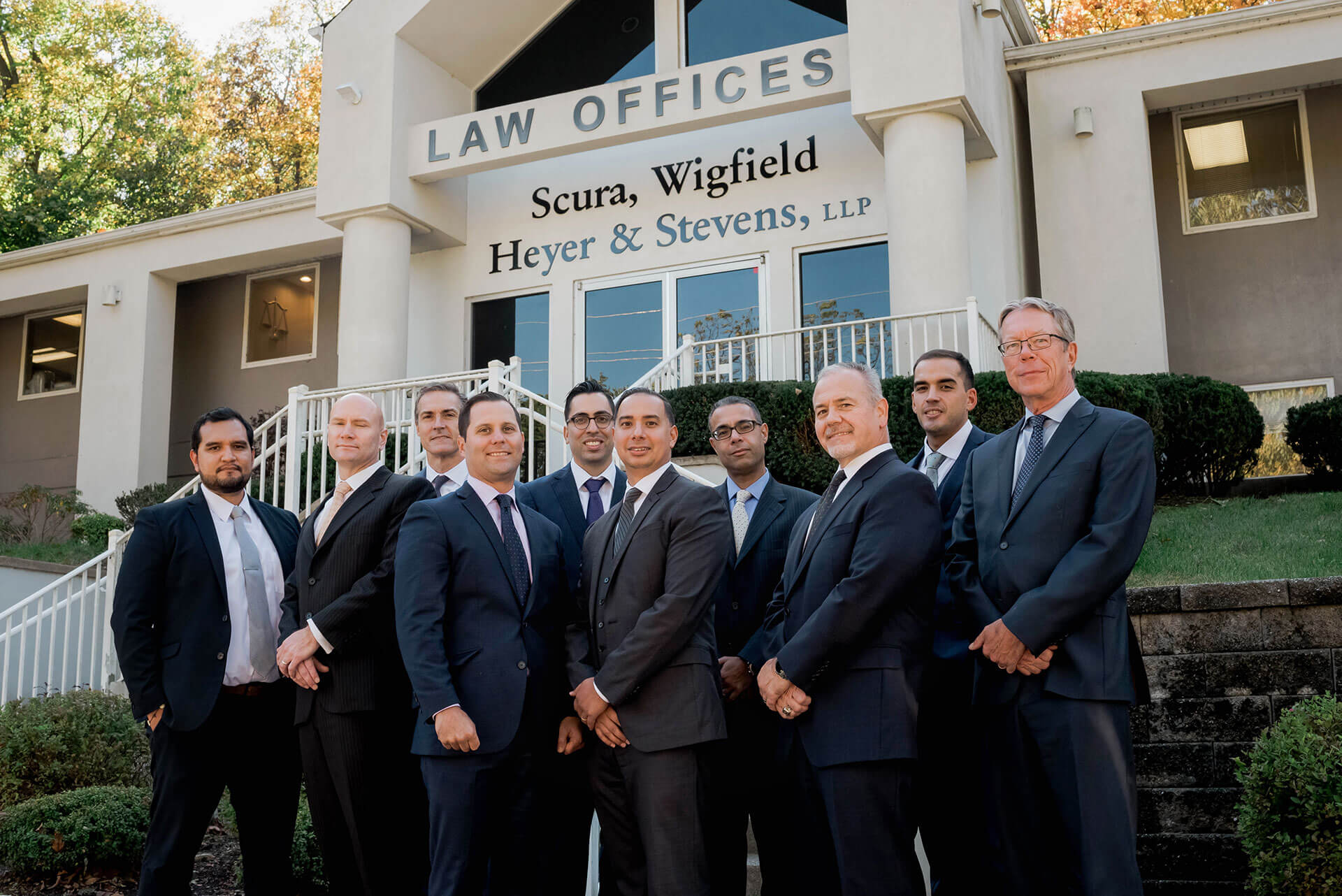
Navigating the complexities of the U.S. Bankruptcy Code requires seasoned legal counsel who understand the nuances of New Jersey bankruptcy courts. At Scura, Wigfield, Heyer, Cammarota & Gonzalez, LLP, we have decades of experience guiding troubled companies toward financial recovery.
If your business is struggling under the weight of commercial debt, merchant cash advances, foreclosure pressures, problems related to SBA EIDL loans, or operational distress, do not wait until it is too late. Contact us today or visit our website to schedule a confidential, no-obligation consultation. Let our problem-solvers help you find the light at the end of the tunnel.

We are a debt relief agency. We help people file for bankruptcy relief under the Bankruptcy Code.