


If you went through the financial wreckage of the 2008 housing crash or its aftermath, chances are you reorganized your life, saved your home through a modification or a Chapter 13 plan, and thought...
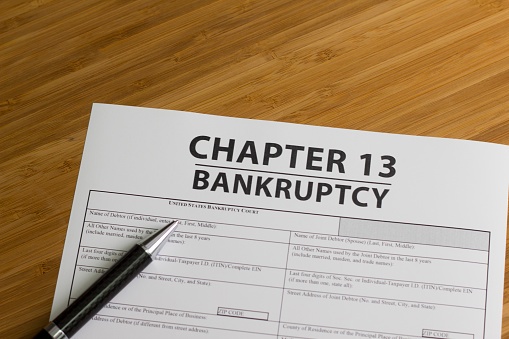
Voluntarily dismissing your Chapter 13 bankruptcy does not necessarily end the bankruptcy court's authority. Here's what debtors and creditors need to know.
When a Chapter 13 repayment plan is confirmed, many debtors understandably believe their case is settled. Likewise, creditors often assume the confirmation order is the final word. In most...

When a Chapter 11 bankruptcy estate has enough assets to pay every creditor in full—and still has money left over, how is the Chapter 11 trustee compensated? The answer is more nuanced than many...
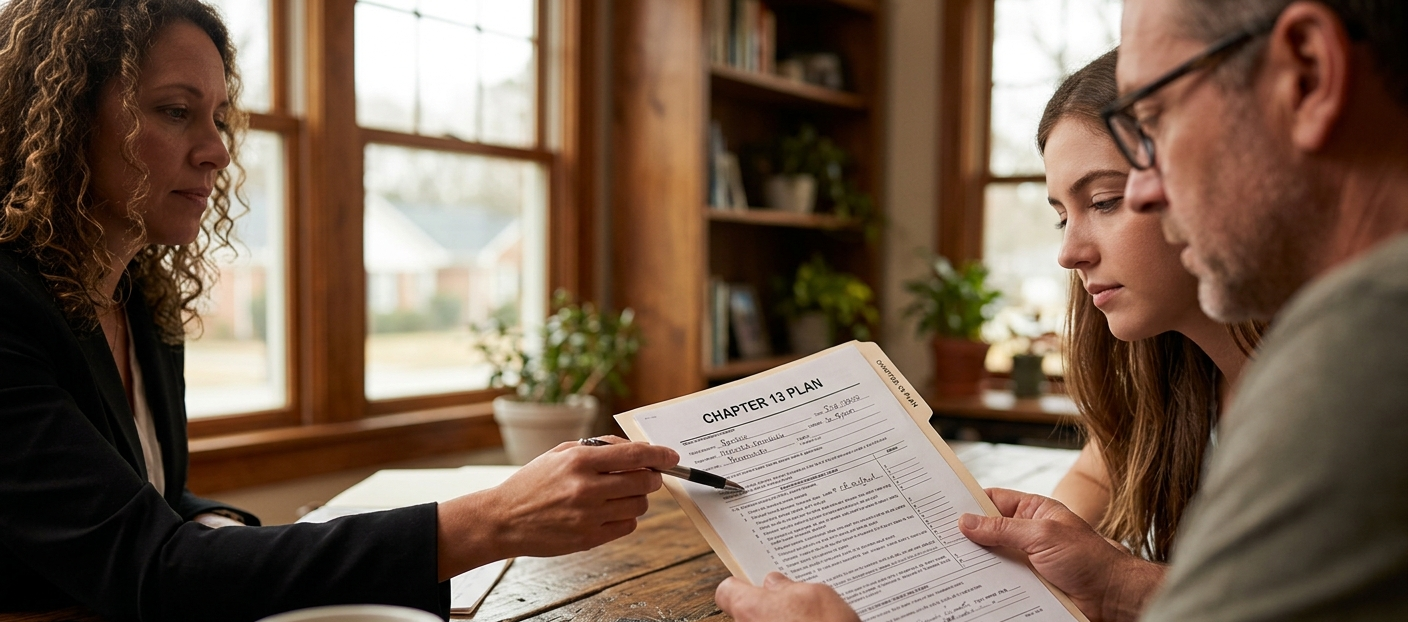
Worried about losing your home? Learn how Chapter 13 bankruptcy can help stop foreclosure, catch up on mortgage arrears, protect your home, and even position you to buy a house in the future.

If you have filed for Chapter 13 bankruptcy—or are considering filing—you may be wondering how long the bankruptcy will remain on your credit report and what impact it may have on your financial...


A Business Lifeline That Often Becomes a Liability

In today’s economy, side hustle income is more common than ever. Whether you are driving for a rideshare company, freelancing, selling products online, or taking on occasional cash work, many...