
In 2021, the Federal Trade Commission (“FTC”) received 5.7 million total fraud and identity theft reports in 2021. 1.4 million of those were consumer identity theft cases. Together, $2.8 billion of...
The Bankruptcy Code is a set of federal laws that affords debtors (the party that declares bankruptcy) certain protections,such as the automatic stay and debt discharge injunction. These protections...
Internationally, the United States is looked at as a land of opportunities. Many come here seeking better business opportunities, educational benefits, or any other route to the American Dream....
Under the bankruptcy code, a debtor my reject certain “executory contracts” as they can be considered liabilities to the estate. What this means is that a debtor may choose to assume, or reject,...
While it does not happen often, debtors do sometimes pass away while their Chapter 7 or Chapter 13 bankruptcy case is still pending. Those in their old age, or those attempting to discharge...
Discharge in bankruptcy means to eliminate, or wipe out, a debt. Under a Chapter 7 Bankruptcy for example, unsecured debt, such as credit cards, personal loans, or medical bills, can be completely...
Due to COVID-19’s continuing negative impact on the economy, thousands of New Jersey residents are still experiencing financial difficulties. Among these are homeowners receiving foreclosure...
I am often asked how I can be so optimistic when my job is working with people going through perhaps the most difficult time in their lives. It’s easy: my job is to make things better. I am a...
Chapter 11 cases are more complicated bankruptcy cases in many ways and much more is required of a debtor in Chapter 11 than in a chapter 7 or chapter 13 case. The debtor's failure to comply with the...
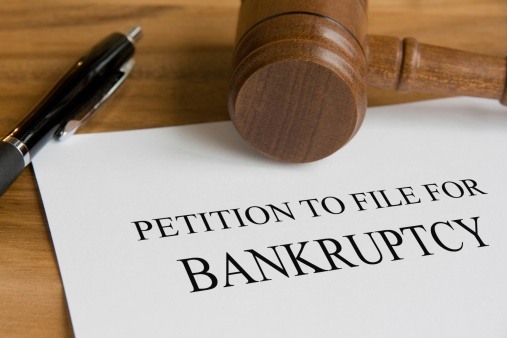
A bankruptcy case begins when a debtor files a bankruptcy petition in a bankruptcy court.The start of the case creates a bankruptcy estate, which contains “all legal or equitable interests of the...