

If you've started looking into filing for bankruptcy in New Jersey, you've probably come across the phrase “means test” and wondered whether your paycheck disqualifies you from Chapter 7 bankruptcy....
October 14, 2026
Car Accident,
Personal Injury
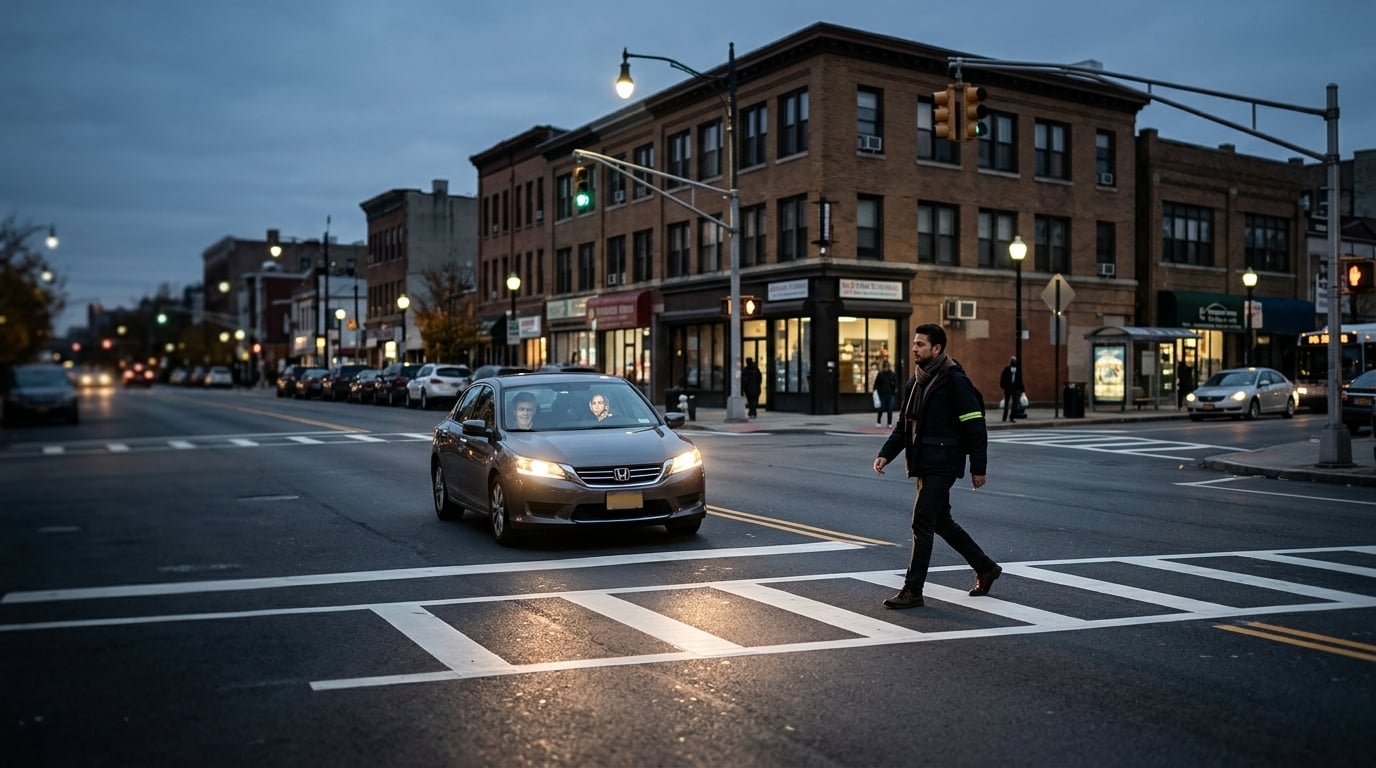
Clocks fall back in early November, and for the next several months, the evening commute in New Jersey happens in the dark. That shift matters more than it might seem. A driver who is used to seeing...
October 7, 2026
Car Accident,
Personal Injury
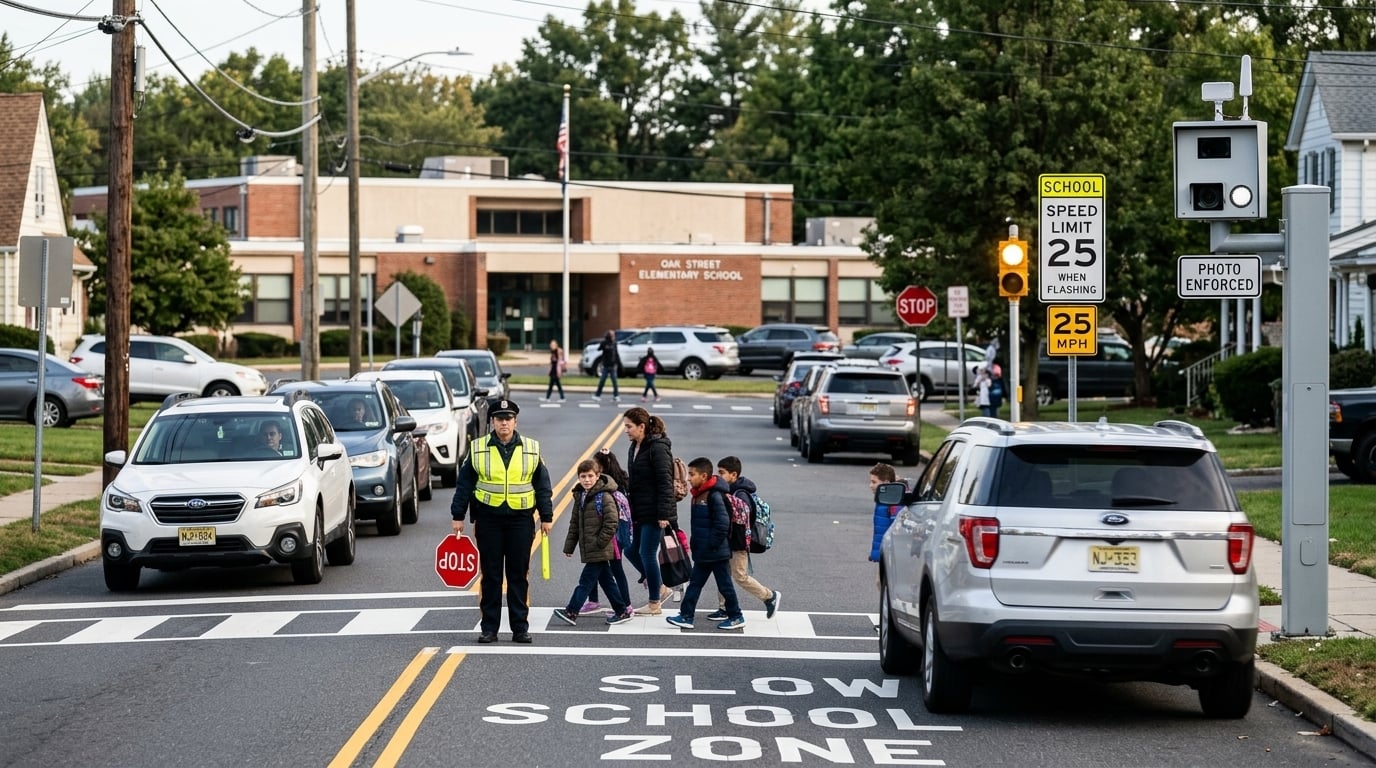
A few weeks into the school year, with buses running again and crossing guards back on their corners, New Jersey lawmakers are pushing a bill that would let towns and counties install automated speed...

October 7, 2026
Bankruptcy,
Debt Management
Most people who call our office about bankruptcy want the answer to one question before anything else: Will it get rid of my debt?

September 29, 2026
Bankruptcy,
Chapter 13,
Chapter 7,
Chapter 11
For a lot of people, the phrase "meeting of creditors" is the most intimidating part of filing bankruptcy, mostly because it sounds like it's going to be a courtroom showdown. It isn't. If you've...

September 28, 2026
Bankruptcy,
Chapter 13,
Chapter 11
If you've been keeping an eye on bankruptcy filings in New Jersey lately, you already know the numbers have been climbing. What's gotten a lot less attention is a quieter development moving through...

September 24, 2026
Litigation
For decades, defense attorneys in New York enjoyed massive flexibility when bringing in third parties. Under the old rules of CPLR 1007, you could file an impleader action almost anytime during...
September 24, 2026
Car Accident,
Personal Injury
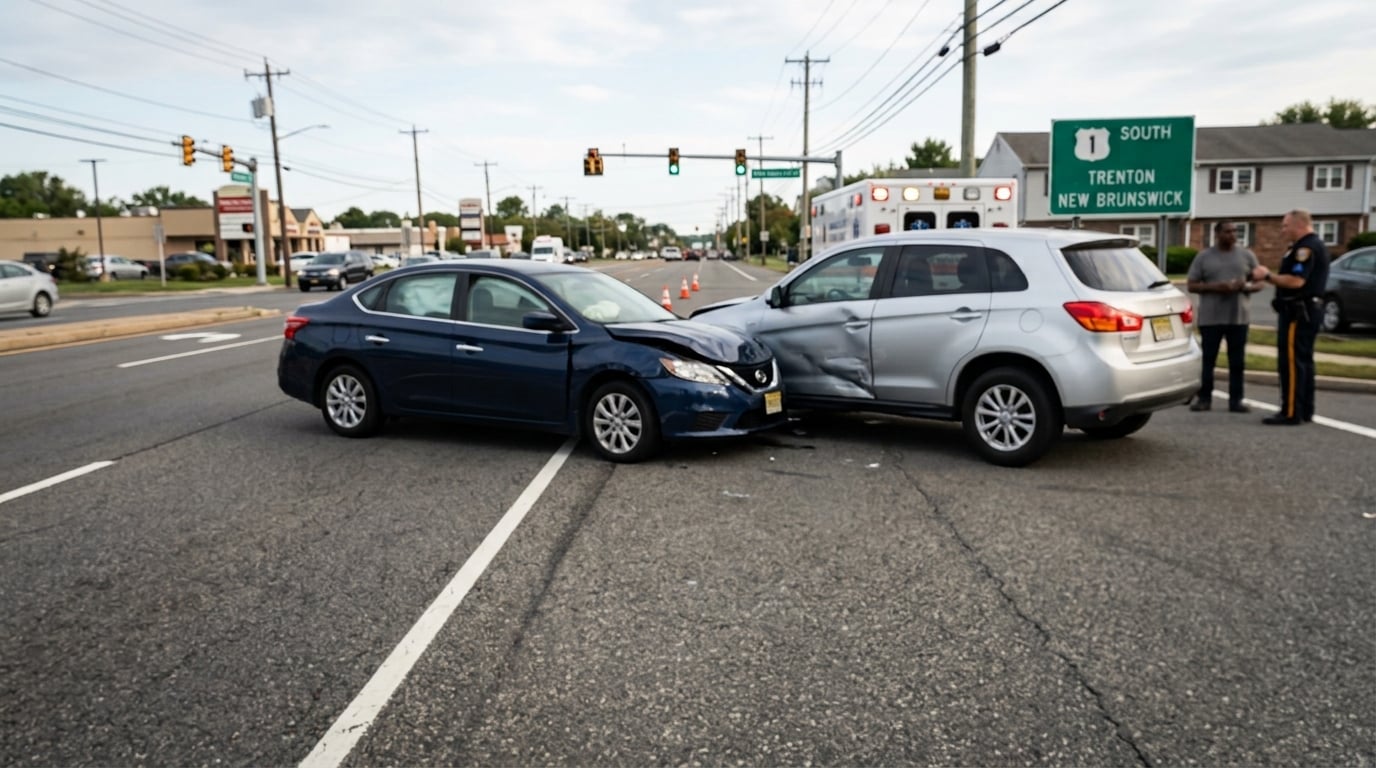
New Jersey had a genuinely good year on its roads in 2025, at least by the numbers. Traffic fatalities dropped by about 15%, falling from 684 deaths in 2024 to 582 in 2025, according to the New...

September 18, 2026
Bankruptcy
September 18, 2026
Car Accident,
Personal Injury
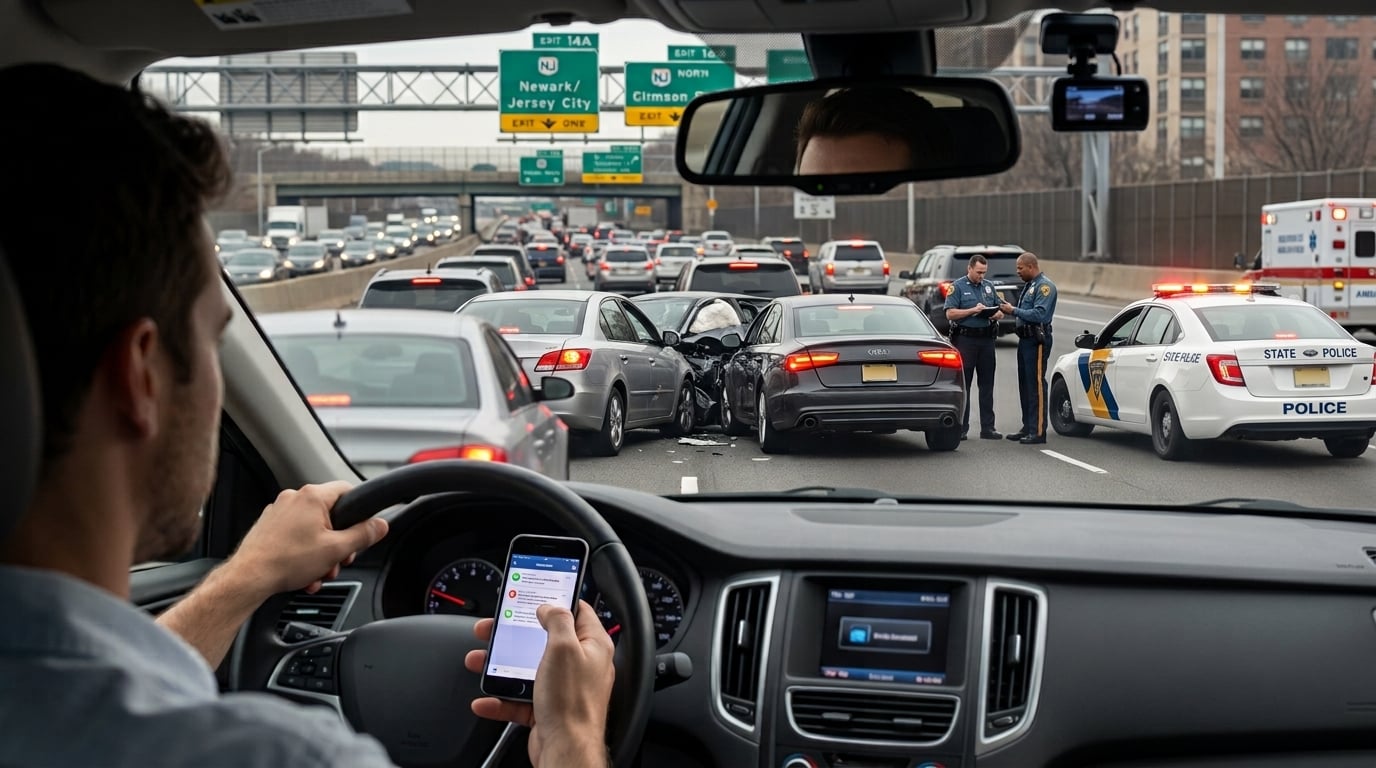
Every April, the New Jersey Division of Highway Traffic Safety and the Attorney General's Office team up for “Put the Phone Away or Pay”, a statewide enforcement campaign aimed at drivers who can't...